Showing posts with label film. Show all posts

Tuesday, 22 January 2013

Five More Classic Cocktails for a Fancy Lady


Last post (found here) we went through some of the best classic cocktails for a lady, but the list to me feels incomplete without the following runner-ups.
 
Stinger
This drink is very simple and not particularly interesting in flavour - in fact, it can be way too sweet if made according to classic recipes. However, it is an excellent digestif to end your dinner or evening, and opens the door to some very interesting experimentation. Having a half-si
zed cocktail of Cognac or brandy with bitters, or amaro, and some representation of the mint flavour (be it Giffard menthe de pastille or Branca Menta or an amaro like Nardini) has become a mainstay of my drinking evenings. The drink also has a long American history, dating in literature back to 1917’s “Ideal Bartender” book, which lists it simply as equal parts of brandy and white crème de menthe. It was popular amongst pilots in WWI because the young men preferred drinks not to taste of alcohol, but also because the mint oil disguised the liquor on their breath (as cocktail historian David Wondrich reasons). The Stinger was a favourite of Billie Holiday, as well as enjoyed by the lovely Grace Kelly [right] in 1956’s “High Society,” Katherine Hepburn in 1940’s “Philadelphia Story,” and Jayne Mansfield and Cary Grant in 1957’s “Kiss Them For Me” (in which Grant says “stingers - and keep them coming.”) Giffard’s menthe de pastille can be substituted for crème de menthe (to better effect in my opinion), but is more potent and should be balanced accordingly. The below recipe is Wondrich’s:

2.25oz brandy

0.75oz white crème de methe

Shake well with cracked ice, then strain into a cocktail coupe.

Pink Lady
The name is a little obvious for a lady cocktail choice, the drink is pretty-looking, tastes fruity, but it still packs a punch. It also carries a foggy history. Originally the recipes only included gin, grenadine, and egg white (Cafe Royal Cocktail Book, 1937), but later incarnations included lemon juice, applejack or apple brandy, and even cream. Esquire’s 1949 “Handbook for Hosts” (mentioned last post) also has this one in the ‘for the girls’ section. In popular culture, 1950’s sex symbol Jayne Mansfield [right] used to drink them before meals, and in the 1937 film “Topper,” Constance Bennett gives one to Cary Grant.
The most accepted recipe comes from David Embury’s “Fine Art of Mixing Drinks” in 1948:

1.5oz gin
0.5oz apple brandy (or applejack)
0.5oz lemon juice

0.25oz grenadine
egg white

Shake ingredients without ice, then add ice and shake again. Strain into a cocktail coupe.

Twentieth Century
This is an excellent introduction to gin, or an excellent trick for anyone who claims they don’t like gin. It originated in 1937’s Cafe Royal Cocktail Book, credited to C.A. Tuck, a British bartender who created the drink in honour of the Twentieth Century Limited. At the time this was a wonder of modern technology: the world’s fastest and most luxurious train that ran from Chicago to New York at 60 miles per hour from 1902 to 1967. So fancy was this train and its many dining and drinking cars, that passengers boarded and exited the train upon a red velvet carpet, which is actually the origin of the phrase “red carpet treatment.” The train was featured in several films, most prominently in Alfred Hitchcock’s very influential “North by Northwest” (1959). The drink itself is like a chocolate meringue dessert, but can still be made dry enough to enjoy. Below is the traditional recipe, but click here to see a variation using egg white and substituting a Giffard white chocolate syrup for the very flat crème de cacao, along with a more detailed history.

1.5oz Plymouth gin
0.75oz Lillet Blanc

0.75oz white crème de cacao   
0.75oz lemon juice

Shake with ice and strain into a cocktail coupe.
 

Jack Rose
This pink and fruity sour has several theories of inception: named after a lying gambler who had a famous run-in with the law in 1912 (and who may have invented the drink himself), named after the Jaquemot rose because of the colour (as claimed in the book “Old Waldorf Bar Days” in 1931), or as recently uncovered in print in 1905, simply invented by a bartender at Gene Sullivan’s Cafe in Jersey City. Sadly the oldest printed account is the most likely one, negating the much more interesting Jack Rose the gambler story, which also lends the parallel of the drink itself being a liar, with its pink colour and fruity flavour masking what is actually a very strong drink. It is nonetheless a clever name, having both applejack and a rose colour. To be traditional, applejack should be used, but calvados is also acceptable and will offer a softer and fruitier drink. The juice is not specified between lemon or lime in the history books, but I find lime much more interesting. There are recipes galore on how to make this, and a major factor is how you make your grenadine. The simplest way is just to make a 1:1 simple syrup with real pomegranate juice in place of water, and this will enable you to balance drinks the usual way. Below is David Wondrich’s recipe:

2oz applejack (or Calvados)

1oz lime juice
0.5oz grenadine

Shake all ingredients with ice and strain into a cocktail coupe.

Aviation
A favourite among cocktail enthusiasts, the Aviation dates back to the 1910’s but underwent a recipe change in by 1930 when the Savoy Cocktail Book omitted one of its ingredients: cr
ème de violette. Throughout the next seventy-five years violette was for the most lost and forgotten as manufacture ceased, but thankfully in 2007 Rothman & Winter reproduced it and now we have several kinds available to us in North America. An Aviation without violette has none of the blueish colour for which it was likely named, and a much flatter-tasting drink altogether. Maraschino is somewhat of a challenge to the uninitiated, but with the balance of citrus and floral flavours makes this an excellent introduction. Below is Robert Hess’ adapted recipe. Click here to see a more in-depth history of the Aviation.

2oz gin

0.5oz lemon juice
0.5oz maraschino liqueur
0.24oz crème de violette

Shake all ingredients with ice and strain into a cocktail coupe. 

Friday, 11 January 2013

Five Classic Cocktails for a Fancy Lady

Taste should not be gender-specific. Good food and drink are enjoyed by any, and there shouldn't be "manly" drinks and "girly" drinks - but there are. There are a few reasons for this:
- Generally, women taste things differently than men - they tend to be more sensitive to flavour, particularly bitter. Because of this sensitivity, women often have more distinguished palates. (Again, this is a generalization, but scientific research does support it).
- In western culture, the woman was seen as the weaker sex and therefore shouldn't be enjoying the same things men do, such as strong drink. This is particularly true for cocktails in the first half of the twentieth century when many a book and magazine told women what they should be drinking in order to be a proper and all-around good lady. These drinks were colourful and sweeter.

In the dark ages of bartending (the 1970's-1990's) the above points were interpreted into drinks involving copious amounts of sugar, artificial colour, drinks with 'feminine' names, and a lot of vodka so as to further disguise the taste of alcohol. Many of the classics had both pretty colours and names but also happened to be great drinks, and strong ones at that. These cocktails were not gender-specific, or often started as a "gentleman's drink" (see the Clover Club) before becoming popular amongst the female folk, likely due to the media and populace deciding that a pink drink should be for a woman.

For this list, I'm taking inspiration from the 1920's to 1940's in particular, when men were gentlemen and women were ladies, and there were excellent drinks on both sides to be enjoyed by all. Should you wish to drink like a fancy lady of the time, below are some classic suggestions.

Clover Club
This light and pink drink predates Prohibition when it was enjoyed by the members of the Philadelphia men's club of the same name. By the 1930's, it had lost popularity, and 1949's "Handbook for Hosts" from Esquire placed it in the "something for the girls" section. If made properly this drink can be drier than expected, using fresh raspberries and not artificial liqueurs or commercial sweeteners. The Okanagan Spirits liqueur is an excellent substitution for real raspberry, tasting both dry and natural. If using a home-made raspberry syrup, bump up the gin and juice or lower the sugar amount. Below is the recipe from Pourhouse in Vancouver, which is fairly close to the recipe of old:

1.5oz London Dry gin
0.5oz fresh lemon juice
0.5oz simple syrup
0.5oz Okanagan Spirits Raspberry Liqueur
1 egg white

Combine ingredients and dry-shake. Then add ice and shake again. Strain into a cocktail coupe.  

French 75
A refreshing start to your evening, particularly a celebratory one due to the addition of sparkling wine. As with any drink, it should be made dry so as to awaken your palate and if so it makes an excellent aperitif. Created in 1915 by Harry MacElhone at the New York Bar in Paris, it was named after the WWI French 75mm field gun - which “packed quite a punch." German officers famously order it at Humphrey Bogart's bar in 1942's "Casablanca." Cocktail historian David Wondrich suggests increasing the gin to 2oz and serving over ice in a Collins glass. While this tastes better, I prefer the drink in more elegant attire. Here is the Savoy Cocktail Book recipe from 1930:

2/3 gin [1oz]
1/3 lemon juice [0.5oz]
1 teaspoon powdered sugar [0.5oz simple syrup]

Shake ingredients with ice and strain into a Champagne glass or cocktail coupe, then top with chilled Champagne or a dry sparkling wine (Brut).

Sidecar
This cocktail's origins are of some dispute, as so many are, but while the Ritz Hotel in Paris claims its birthplace, there are earlier and more reputable sources that differ. Harry MacElhone's 1922 cocktail book "Harry's ABC of Mixing Cocktails" gives credit to Pat MacGarry at Buck's Club in London some time after WWI. It was named after the motorcycle sidecar in which an American army captain was driven to the Paris bistro where the drink was created for him. It is essentially a Brandy Daisy, a style of drink dating to the mid 19th century. There are several recipes, namely the "French school" which has each ingredient at equal parts, and the "London school," which has 2:1:1 brandy to liqueur to lemon. David Embury's very influential "The Fine Art of Mixing Drinks" in 1948 recommends 8:2:1. I like my drinks dry, and below is my go-to recipe. Avoid the sugar rim, a practice that popped up in the 1930's and is both sticky and unnecessary. This drink is fruity but boozy and perfect for an elegant lady who has come in from the cold. It also happens to be Cointreau's signature drink, a liqueur represented by the fanciest lady alive today: Dita Von Teese.

2oz Cognac or other brandy
0.5oz Cointreau
0.5oz lemon juice

Shake ingredients with ice and strain into a cocktail coupe.

Champagne Cocktail
In the 19th century this drink was one of the very first variations on the “cock-tail,” a combination of spirit, sugar, water, and bitters. Embellishments were inevitable, and the best of them is likely the addition of brandy (technically making this a “Brandy Champagne Cocktail”). Adding this extra punch to the equation balances the sugar much better. This cocktail has shown up in both literature and film, most famously in 1957’s “An Affair To Remember” with Cary Grant and Deborah Kerr, and again in “Casablanca.” Don’t skimp on the bitters, and be sure to use a very dry sparkling wine lest the drink be cloyingly sweet.

1 raw sugar cube
Several dashes of aromatic bitters (Angostura)
1oz Cognac or other brandy (optional)
Champagne or dry sparkling wine

Drop the sugar into a Champagne coupe or glass and soak it in the bitters. Pour in the brandy, then top with the wine. Garnish with a lemon twist.

Arsenic and Old Lace
This one is a little more obscure, but perfectly fit for a classic lady in that it’s floral, light purple in colour, and dry. Descending from the pre-Prohibition Attention Cocktail, this one hails from the 1940’s and was considerably more dry. Modern recipes for both are basically the same, with the Attention having the addition of orange bitters, which makes for a more interesting drink with a less interesting name. The name comes from the black comedy play from 1939 which was later adapted by Frank Capra into a film starring Cary Grant. The story revolves around a drama critic who tries to protect his homicidal aunts who like to murder old men with poisoned elderberry wine. The recipe below changes the classic one by reducing 0.5oz of pastis to an absinthe rinse. Absinthe makes the flavour more complex, but is more potent than pastis and can overwhelm the drink so no more than a rinse is necessary. It employs crème de violette, an ingredient lost for decades until a few years ago. The quality of this violet flower liqueur will determine the overall quality of this drink, so be sure to avoid overly perfumey artificial ones and to balance accordingly.

1.5oz gin
0.5oz dry vermouth
0.25-0.5oz crème de violette
Absinthe rinse

Rinse a cocktail coupe with absinthe by pouring a little into the glass and spinning so it coats the inside before discarding the excess. Stir gin, vermouth, and violette with ice, and strain into the coupe. Garnish with a lemon twist and express the oils over the top of the drink.

Next post (which you can see here) I'll be sharing another five classic cocktails for a lady, then we'll get into those for the gentlemen.
[The science of taste and intoxication and how they relate to gender can be found in the science section of this site.]

Wednesday, 19 December 2012

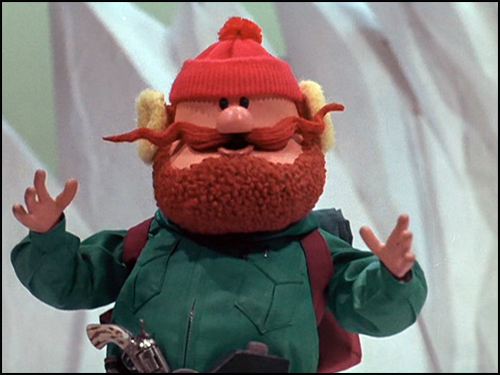
Winter Cocktails: "The Yukon Cornelius" from Veneto in Victoria

Last week Veneto shared their "Rockefeller" - a Manhattan with chai-spiced whiskey. Bar manager Simon Ogden has contributed another tasty winter drink, again employing the infused rye. This nog finds its name from the 1964 holiday stop-motion classic, "Rudolph: The Red-Nosed Reindeer." In the film, Rudolph meets the self-proclaimed "greatest prospector in the north," Yukon Cornelius, who eventually finds what he's spent his whole life seeking: the legendary peppermint mine. This drink is brimming with Christmas flavours, and is an excellent reason to make a chestnut syrup, which makes for some festive baking as well as cocktails.

The Yukon Cornelius
2 oz Chai spice-infused rye whiskey
1/2oz chestnut-infused syrup
A whisper of Menthe Pastille mint liqueur
1 whole egg

Dry shake all ingredients together, then shake briskly with ice and strain. 
Finish with a little fresh-grated nutmeg and cinnamon bark.


Tuesday, 1 May 2012

The Blennheim (and The Avengers)


"And there came a day, a day unlike any other, when Earth's mightiest heroes and heroines found themselves united against a common threat. On that day, The Avengers were born - to fight the foes no single super hero could withstand! Through the years, their roster has prospered, changing many times, but their glory has never been denied! Heed the call, then - for now, The Avengers assemble!" (Prologue to every Avengers issue in the 1970's)

Ok, so on top of being a cocktail nerd, I'm also a music, film, computer game, and yes, comic book nerd. This Friday is a perfect opportunity to combine comics and cocktails to commemorate the North American release of Joss Whedon's "The Avengers."


About a month ago, my brother asked me if I knew any cocktails specifically created in 1963 because his friend was going to throw an Avengers party, and not being able to think of any off the top of my head, I had to start researching. It ended up being quite a challenge as the 60's seemed like the beginning of the end of good cocktails, and not only was it very difficult to find anything new from that era, the only few I did find were terrible and had no specific birth date. So I approached it from a different angle, looking for specific names and personalities at the world's top bars, and I was able to track down one name - Joe Gilmore. He was the head bartender at the Savoy Hotel in London from 1955 until 1976, during which time he did invent numerous cocktails that achieved some popularity, and was famously the apprentice of the one and only Harry Craddock. Again, the problem was pinpointing dates on these drinks, as he never wrote a book collecting his recipes, and any that were created for a specific occasion were somewhat vague. There are a handful from specific dates a little later on - including his most famous, the "Moonwalk," from 1969 - but most of them are from the 1970's and not useful here. However, he did create a drink for Winston Churchill's 90th birthday (finally a date I could figure out) in November 1964, which does well enough for me with Avengers #1 being released through Marvel Comics in September 1963. (I did find another from 1965 with brandy, Cointreau, and Champagne, but this was later and less interesting, and I also found that the "Saketini" was first unveiled at the World's Fair in 1964 by a Japanese chef, but gin, sake, and an olive is again not very interesting). Yes, I've jumped from America to England, but oh well.

The cocktail was named "The Blennheim," or "The Four Score and Ten" (i.e. 90), and was composed of brandy, Yellow Chartreuse, Lillet (Kina Lillet at the time), orange juice, and Dubonnet. One could argue that it's a variation on a Bronx cocktail, with the Lillet filling in as dry vermouth, Dubonnet as sweet, switching gin for brandy, leaving orange juice as is, and throwing some Chartreuse in there to make things interesting. Using the current recipe for Lillet will probably make a drink that's too sweet, so for those of you in the States, use Cocchi Americano, which is made from a recreated recipe of Kina Lillet. 

The Blennheim

3 parts brandy (1.5oz)
2 parts Yellow Chartreuse (1oz)
1 part Lillet (0.5oz)
1 part orange juice (0.5oz)
1 part Dubonnet (0.5oz)


Combine ingredients with ice, shake, and strain into a cocktail glass.

Stop. Comic time.
Marvel actually dates back to the 1930's under the name "Timely Publications," (which included the original Captain America series) but in the early 1960's became its own brand, releasing some science fiction titles and its first superhero stories via The Fantastic Four. Soon after came Spider-Man, Iron-Man, The Hulk, and some other more forgettable series, ultimately leading to a cross-over of all the heroes in a new series entitled "The Avengers" released in 1963 by Stan Lee and Jack Kirby. The original lineup was Iron Man, Ant-Man, The Wasp, Thor, and The Hulk, who banded together after collectively defeating the Asgardian god, Thor's brother, Loki. Lineup changes occurred as early as the second issue, when Ant-Man becomes Giant Man and the Hulk leaves, realizing how dangerous and unstable he is. Feeling guilty, the others chase after him, leading them not only into combat with another villain, but also to discover Captain America frozen in ice in the north Atlantic.

I should perhaps take a moment to mention that Captain America's publication history actually dates back to 1941 as a propaganda figure of sorts fighting the Axis during WWII. In the 1950's, Cap continued on to fight "The Reds" during the Cold War, but due to a decline in popularity, was written-off in an amazing way: Cap (who was later explained to be multiple people to reconcile incongruencies in character, but that's not unusual for a comic-hero) became extremely paranoid, blaming all manner of innocent people of being communist sympathizers and forcing the U.S. government to commit him to cryogenic storage until a cure for this mental illness could be found.

Like most classic comic book hero stories, things get extremely complicated and convoluted quite quickly. Many, many members come and go (including Hawkeye and Black Widow, who show up a little later in the 1960's, but right away in the new Avengers movie), along with villains, and fairly confusing plot-lines. Despite not being the first Avenger, Captain America was the longest-standing, and as far as I'm aware, the only member who hasn't resigned (in the 2000's, several events encompassing the entire Marvel universe broke up the Avengers and created new Avenger-type groups, etc, but I won't get into this).

So, super groups tend to suck (see: Velvet Revolver, Audioslave, Chickenfoot, etc), and both DC's Justice League and Marvel's Avengers aren't exactly the best of their respective catalogues, BUT, there has always been great potential there because the groups are made up of interesting individual characters, particularly those of Marvel which was famous and influential for having complicated and flawed heroes. The Hulk and Iron Man are kind of tragic figures, and if anyone is going to exploit this, and also get some big laughs out of Thor and Robert Downey Jr., it's going to be Joss Whedon, the man behind some of the greatest television ever - Buffy, Angel, Firefly, and Dollhouse, among many other (Oscar-winning) writing credits and the films "Serenity" and "Cabin in the Woods." As well, for you comic nerds out there, you're probably also aware of how great his run on Astonishing X-Men is too, and if you're not a comic nerd, that's a good place to start your X-Men adventure because it's super accessible, hilarious, and poignant - as his writing often is (see also: "Dr. Horrible's Sing-Along Blog").

So let us tip our hats and drink to Stan Lee and Jack Kirby for being so influential in the evolution of the graphic novel, Joss Whedon for being influential in both television and in writing strong female characters (and for creating all of my closest friends), and to Joe Gilmore for his cocktails, experience, and contribution to bartending.
See you at The Avengers on Friday ;)