Showing posts with label whiskey. Show all posts

Monday, 20 January 2014

Things You Should Know About Whiskey

I consider myself lucky to work in a bar frequented by so many knowledgeable drinkers. Many know not only what they want, but exactly how they want it made and are quality-checking my every move. On the other hand, many have no idea what they want, so my responsibility is to find something new and exciting, thereby encouraging a little education. 

There are also those who know what they want, but know little about it. The best way to learn is by experiencing, but most of these customers will pick something they recognize off the backbar rather than asking for some advice. We trust what we know, but this can be limiting - usually to products that care more about being recognized than being good-quality!


Whiskey is my drink of choice, so I feel compelled to share some general knowledge for those who are interested but can use some facts along with their dram. These are common questions and what I consider important information. 

What is it?
Whiskey by definition is fermented and distilled grain. There are numerous sub-categories defined primarily by geography and the grains and production methods used. These categories are legal definitions, some very simple and loose (ex. Canadian), and some very strict and specific (ex. American). Here are the most common types and their general definitions (I am, of course, paraphrasing):

Scotch: whisky (no “e”) produced in Scotland from malted barley (and often other grains), aged in wood barrels, and can contain colouring. Scotch has a wide range of flavours, many being earthy and smoky due to the burning of peat to dry out the malt. It also has a range of quality, with “single malt” regulations guaranteeing a good product, and “blended” guaranteeing nothing. 

Bourbon: produced in the U.S. (not specifically Kentucky) from at least 51% corn and aged in newly-charred oak barrels. Tennessee whiskey is bourbon produced in Tennessee including the extra step of filtering through maple charcoal after distillation. Bourbon is fuller-bodied, sweeter, and more approachable than most whiskies. 

Rye: produced in the U.S. from at least 51% rye and aged in newly-charred oak barrels. Rye tends to be dry, light, and spicy. It was the most commonly used whiskey in classic cocktails (bourbon came much later).

Irish: produced in Ireland from any number of grains and blends (though often malted and unmalted barley) and aged in wood barrels. These whiskies tend to be more soft and subtle than Scotch with no smokiness. 

Canadian: produced in Canada from any grain, aged in any barrel, and can contain colouring and flavouring. Despite being called and labelled “rye” for historical purposes, most Canadian whiskies are made from corn and contain no rye at all. This lack of regulation is why Canadian whisky is typically poor-quality. They tend to lack flavour, and with a couple exceptions should be avoided altogether.

I am often asked questions like “what’s the difference between Scotch and whiskey?” or “can you make my Whiskey Sour with bourbon instead of whiskey?” So, let the above be the lesson. These are all types of whiskey. 

While Scotland, Ireland, and the U.S. have the most history and reputation, many other countries around the world are producing great products, including Japan, New Zealand, England, India, Australia, and Belgium, just to name a few. Their production methods and regulations vary, but we won’t get into that now as you won’t encounter them as often.

How are they labelled?
Most producers only reveal what they have to on a label, which varies by country. There are certain words to look for, like “straight” with American whiskey, which legally claims it has been aged for at least two years, and “single malt” for Scotch, claiming it has been produced only from malted barley at one distillery. The word “blended” refers to the whiskey being a combination of multiple products, usually from multiple distilleries. Having words like “bourbon” or “Scotch” on a label is verifying a certain level of quality - by law - whereas “Canadian Straight Rye Whisky” means basically nothing. That’s where category knowledge will help you out.

Age labels refer to the youngest whiskey in the bottle. This is to stop producers from adding a drop of 20-year old whiskey to 3-year old and labelling it as the former. 

What does “blended” mean? Should I avoid it?
Blended whiskey just refers to the product being a combination of multiple distillations. This isn’t always a bad thing. In fact, basically all whiskies are blends unless specifically labelled “single barrel” or “single cask.” Whiskey can be a blend of multiple barrels, years, grains, or even distilleries. When discussing, “blended” usually refers to Blended Scotch Whisky, which is made up of 50-90% grain whiskies (ones made from individual grains) along with single malts. Blends make up for about 90% of Scotland’s whisky production, and are some of the top-selling spirits in the world (including the #1-selling whisky, Johnny Walker). Like everything else, there are good and bad ones. 

If I don’t like one brand, should I avoid everything they make?
No! Basically every distillery has multiple products made in multiple ways. Just because you don’t like one particular product doesn’t mean that the single barrel or sherry-casked version isn’t much better. For example, Johnny Walker Blue, Black, and Green are all considerably higher quality than Red. For a broader example, Jim Beam White Label is produced by the same company as Booker’s, Baker’s, and Knob Creek, which is a diverse range of bourbon.

How should I be drinking it?
There is no “right” way to drink it. It’s your drink and you can enjoy it any way you please. Just know that diluting it too much or chilling it will both reduce aroma and flavour. Lowering the temperature of your mouth essentially numbs the palate, so you will experience less if you have it on the rocks or with a chilled whisky stone. (I’m sure I don’t need to mention that adding any kind of soda or mixer will mask the flavour of the whiskey entirely).

There’s nothing wrong with adding a little water. In fact, it can often enhance flavours by lowering the proof, allowing your smell and taste receptors to find more behind the ethanol. However, it’s best to only add a little and to always use distilled water rather than tap or sparkling, both of which can affect flavour. (Many whisky purists insist on adding regional spring water, but if you’re unsure or unable, just go with distilled). Spirits over 50% ABV will benefit from a little water. 

Also, a quick rule for bartenders: no one should water another’s whisky - always serve water on the side. 

And of course, if you’re in the mood for a cocktail, a properly-made Old-Fashioned (spirit, bitters, sugar, water) is the simplest, purest, and oldest drink there is. It’s the best way to enjoy your whiskey if you want to mix it, with the Manhattan and Sazerac to follow. 

Does higher price mean higher quality?
No - though this is a better bet than a lot of other spirits (particularly vodka and brandy). A general rule is that the product price should match the difficulty of its production. That is why whiskies produced in small volumes or old-ages cost more than young whiskies mass-produced across multiple distilleries. Some companies slyly take advantage of this and market their products as “premium” or “top-shelf” and price them higher, when they’re actually just selling average (or sometimes poor-quality) spirits. Trust your taste-buds before you trust a price-tag! 

Bigger reputation doesn’t mean better quality either. In fact, it’s usually the opposite. The brands that advertise the most should make you wonder why they’re not spending these resources on developing and improving their products. If you’re not sure where to start, get some advice from a bartender, friend, or do a little research on your own. Don’t just choose what you recognize on a shelf.  

Who should enjoy it?
Everyone! Whiskey isn’t “an old man’s drink” (In fact, no drink should be gender specific, but that’s another rant altogether). It’s not always harsh and dark brown and high-proof. In fact, many whiskies are soft, approachable, and sweet. A bad product or bad experience can be off-putting, but remember that there is a lot of diversity by type, style, region, and quality. Some whiskies taste like you ate the remains of yesterday’s campfire, some taste like honey and tree fruit, and some taste like buttery toast and vanilla. Try every style you can and find what you like.

Tuesday, 19 February 2013

Five Classic Cocktails for a Distinguished Gentleman

While times are changing for the better, most men drink cheap beer, highballs, or sugar-filled shots. Thanks to the growing classic cocktail trends in today's large city bars, the growing number of small distilleries and breweries, and television shows like Mad Men and Boardwalk Empire, more and more are becoming interested in better quality products and more traditional drinks. The mid to late 19th century was the Golden Age of mixed drinks, led by the 'grandfather of mixology,' Jerry Thomas, who in 1862 was the first to publish an all-encompassing tome of bartending. Many great drinks and products were lost during Prohibition, and while the practice of drinking well did continue to a lesser extent from the 1930's until the 1960's, it is for the most part the great classics from the Golden Age that survive today. A distinguished gentleman appreciates these drinks for their taste and history, and cares for the manner in which they are made. This sophisticated man knows there is only one Martini, that anything called a "cocktail" must contain bitters, and that an Old-Fashioned must never contain juice or soda. Below are five classic drinks for this distinguished gentleman.

(As per the previous posts on Classic Cocktails for a Fancy Lady, drink-preference should not be gender specific, and the purpose of this post is historical. Furthermore, should any lady deem herself too dangerous to be fancy, any of the following make excellent substitutes as cocktails for a femme fatale.)

Old-Fashioned
This is the drink with the most variations, the source of so many debates, the biggest growing popularity, yet one of the most misunderstood. Thanks to Donald Draper on TV's Mad Men (who, by the way, makes a terrible Old-Fashioned), this drink is now ordered by droves of non-experienced drinkers. This is an exciting trend. The disappointing news is that practices from the dark ages of drinking (the 1970's to the 1990's) are still alive today, and the drink is often ruined or just unrecognizable. It is a finicky drink to maintain the balance of so few ingredients, and of course most everyone prefers his or hers a slightly different way. The drink’s history is a confusing one because it refers to a style and not one particular drink. In the early to mid 19th century, The Sling was a popular mixed drink that contained only spirit, sugar, water, and perhaps a grate of nutmeg. At some point bitters was added to the mix, birthing the “Bittered Sling,” which came be known as the “Cock-tail.” Faster than you can mix one up, variations were born. Fruits here and liqueurs there muddled up the original, and purists and old-farts began to request their Cock-tails the “old-fashioned way.” Over time this simply became an “Old-Fashioned.” Anything beyond the Bittered Sling recipe is not an Old-Fashioned, though very small embellishments included in Jerry Thomas’ variations (namely orange or lemon oil) are welcomed. The recipe below is from “Modern American Drinks” by George Kappeler in 1895, and is the best way to make a proper Old-Fashioned. (Note the absence of juice, muddling, soda, or any liqueur.) The type of bitters and spirit is up to the drinker and trying new combinations makes for a multitude of exciting options (try brandy and Peychaud’s, tequila and chocolate, or gin and Boker’s for example).

2oz whiskey
2 dashes Angostura bitters
1/2tsp of sugar (or one small sugar cube)
1 piece of lemon peel

Dissolve the sugar with a little water in a whiskey-glass [Old-Fashioned or rocks glass]; add bitters, a small piece ice, a piece lemon-peel, and whiskey. Mix with a small barspoon and serve.

"A small piece ice" can be substituted today with a few nice cubes (don't ruin the drink with small, watery ones), and the lemon peel can be swapped for orange if you please. Express the oil of the peel over top of the drink for best effect. A common practice is to soak the sugar in both water and bitters before adding ice and spirit.

Sazerac
Ordering this drink more than five years ago would have gotten you strange looks. Because of its history and fantastic taste, it was and is an obscure favourite among cocktail enthusiasts. Many claims are made to it being the oldest cocktail, but this is not true. We’ve tracked its inception to 1850's New Orleans in a slightly different form than we most often enjoy now. The Sazerac is the product of two smart men: one who imported the Sazerac de Forge et Fils, and the other who changed the name of his bar to "Sazerac House," where the cocktail was first made and became popular, thus naming it the "Sazerac Cocktail." Peychaud's bitters was literally made down the street, so it was the obvious choice. The first printed recipe in 1908 called for “good whiskey” (which in New Orleans means straight rye) at which point Cognac had become less abundant. The drink's flavour is dry and spicy, and the union of Peychaud's, absinthe, and rye (or Cognac for that matter) is something truly special. Again, the process of making the drink is important for both flavour and anticipation, so follow it closely. Use a good quality spirit, preferably a higher-proof and spicy rye, absinthe if you can, raw sugar, and lastly you can substitute Bitter Truth Creole Bitters for Peychaud's (but go with one fewer dash as it's more potent).

2 oz straight rye whiskey [or Cognac]
1 sugar cube
2-3 dashes Peychaud's bitters
Absinthe
Lemon peel

Fill an Old-Fashioned or Sazerac glass with cracked ice. Put the sugar in a mixing container, add the bitters and a little water and let dissolve. Add the whiskey, fill with ice, and stir. Dump the ice out of the glass and pour in a little absinthe, and roll around to coat the glass before discarding. Strain the whiskey mixture into the glass, then express the oil from the lemon peel over top and drop it into the glass.

Manhattan
This one is the probably the most famous and enduring of all classics, enjoyed by many in literature and film, particularly gentlemen, but also by bad-news ladies like Marilyn Monroe in “Some Like It Hot.” Vermouth entered the mixed drink equation sometime in the 1870's, drastically changing things for generations to come. Suddenly cocktails weren't just spirits with small additions of liqueurs, bitters, sugars, and sometimes fruits. Now spirits shared the spotlight or even had a supporting role in many popular drinks. Arguably the first of these was the Manhattan, made at the Manhattan Club in, yes, Manhattan. Its first mention was in the 1870’s, its first recipe in 1884, and the closest recipe to what we use today appeared in 1892. Early incarnations included maraschino, absinthe, gum syrup, and no whiskey specification, but the drink simplified over time. The type of whiskey and bitters are still optional, and like the Old-Fashioned make for very different drinks. A higher-proof whiskey mixes better, with rye being drier and spicier and bourbon being fuller and sweeter. Always stir, never shake, serve up and not on the rocks, and the garnish is always optional.

2oz whiskey
1oz sweet vermouth
2-3 dashes bitters

Add ingredients to a mixing glass, add ice, stir, and strain into a cocktail glass. Garnish with a real cherry, or a citrus peel (optional).

Martini
The Manhattan-style cocktail at times contained gin instead of whiskey, which became known as the Martini - the same drink save the spirit choice. The origins of the Martini are some of the most disputed of them all, numerous ones appearing around the same time, but the concept remained the same. The Turf Club is the simplest, while The Fourth Degree contained absinthe, and The Martinez contained maraschino and twice the amount of vermouth. The later and most popular incarnation, The Dry Martini, made an important change in recipe: swapping Italian vermouth for French. As time wore on after Prohibition, Martinis got drier and drier, reducing the vermouth down to smaller and smaller amounts. In the later half of the 20th century good-quality vermouths were harder to come by and the lack of knowledgeable bartenders left it sitting on shelves instead of fresh and in the fridge, and the vermouth became essentially non-existent. Furthermore, James Bond confused many by calling his Kangaroo Cocktail a "Vodka Martini" (which even confused the Bond girl). A classic gentleman does not drink a Martini with vodka, though will sometimes drink it dry. However, a Martini without dry vermouth or bitters is not a Martini. Below is the classic 1890's version, in which you can reduce the amount of vermouth and swap the orange peel for a lemon if you please. The olive is a later addition, and can mask the flavours of the drink, but to each his own. Be sure to use fresh vermouth - it is wine and should be kept in the fridge and will spoil and then ruin your drink. Choose a good gin and a great vermouth.

2oz gin (Old Tom traditionally, but London Dry works just fine)
1oz dry vermouth
1 dash orange bitters

Stir ingredients with ice and strain into a cocktail coupe. Squeeze a piece of orange peel over top.

Negroni
In 1860’s Italy, Gaspare Campari invented the most famous of amari, aptly named Campari, before settling down and opening a cafe. The signature drink there was the “Milano Torino,” combining Campari from Milan and Cinzano vermouth from Turin then topped with soda. The early 20th century brought an influx of American tourists, among whom the drink found popularity and was renamed the “Americano.” (It found popularity elsewhere too, even being the first drink James Bond ever ordered). In 1919, Count Camillo Negroni asked the bartender, Fosco Scarselli, at the Caffe Casoni for a stronger version of this drink by swapping the soda with gin. This drink subsequently became wildly popular in Europe. In 1947, iconic director/actor Orson Welles was working on his film "Cagliostro" in Rome, and spoke to reporters about his new favourite drink, The Negroni, saying "the bitters are excellent for your liver, the gin is bad for you - they balance each other." It wasn't long before the drink became popular in the U.S., though in the more American style it was enjoyed up rather than on the rocks. The three ingredients balance and accent each other beautifully, and as such the Negroni structure has been used for numerous variations and new concepts. The most notable - drinks also worthy of a distinguished gentleman - are the Boulevardier, which replaces the gin with bourbon, and the Old Pal, which switches gin for straight rye and Italian vermouth for French. While Campari is very bitter and therefore an acquired taste, it's a worthwhile one, and the Negroni is a drink bound to be in your life for good.

1oz London Dry gin
1oz Italian vermouth
1oz Campari

Add ingredients together and stir with ice. Strain over rocks in an old-fashioned glass. Garnish with a slice of orange a piece of lemon peel.


[Photo: Cary Grant]

Monday, 31 December 2012

New Year's Eve Cocktails

What better night to enjoy some Champagne or sparkling wine than New Year's? Should you be in a cocktail mood, here are some delicious drinks containing sparkling wine perfect for celebrating the arrival of 2013. We'll start with some classics and move on to more contemporary sippers.

The best choice of sparkling wine for mixing is always dry. In fact, the best wine for any use is almost always dry. Also, be aware of the acidity you're adding to the drink when you top with sparkling wine. The carbonic acid will affect the sweetness of your drink, despite the sugar content in the wine itself, which is one of the reasons to choose something dry. When mixing your other ingredients, balance things on the sweeter side, and likewise don't be surprised if you find your drink too sweet before topping with the wine as it will be dried out. French 75's, for example, should be a little sweet before you top them.

A great choice for any use is cava, as these tend to be great quality for how much you pay. Prosecco is great for the same reason, and they also tend to be dry so are excellent choices. Should you choose a North American sparkling wine or a Champagne, look for a "Brut" or "extra Brut", which means the wine is dry (i.e. not sweet). "Sec" refers to high levels of sugar, which is something you want to avoid if mixing (and in my opinion, something you should avoid altogether).

The Champagne Cocktail
1 raw sugar cube
Several dashes of Angostura or other aromatic bitters
Top with Champagne or sparkling wine

Drop the sugar cube into a Champagne flute and soak with the bitters. Top with sparkling wine. 
Garnish with a lemon twist.

This drink dates back to the 1850's and is the first recorded variation on the "cock-tail," a combination of spirit, sugar, water, and bitters. Later variations included the addition of Cognac or brandy, which is in my opinion an excellent choice and I suggest going with 1/2oz. Should you have no sugar cubes on-hand, the original recipes call for 1/2 teaspoon of sugar, or 1 teaspoon of 1:1 simple syrup. Twist as always means just the peel of the lemon with the pith cut off, which you squeeze over the top of the drink to extract the oil.

French 75
1oz gin
1/2oz lemon juice
1 teaspoon of sugar
Sparkling wine

Shake ingredients with ice and strain into a cocktail coupe or Champagne flute. Top with sparkling wine.


This drink originated at Harry's New York Bar in Paris in 1915, created by American bar owner Harry MacElhone. The drink was said to "pack a punch like the French 75mm field gun," hence the name. The above recipe is from Harry Craddock's seminal cocktail tome, "The Savoy Cocktail Book," though more modern recipes contain up to 2oz of gin (which I must be honest I prefer). In David Embury's equally as influential cocktail book, "The Art of Mixing Drinks," the recipe claims that Cognac is the true spirit of choice here, lest the drink not be called the "French" 75. However, considering that earlier recipes call for gin and that earlier accounts claim the name comes from the French rifle and not from the spirit, the general consensus is that the drink be made with gin, which in my opinion makes a better drink anyway. Dropping a real cherry into the bottom of the glass adds a nice touch.

Buck and Breck
1.5oz Cognac or brandy
Dash of absinthe
2 dashes Angostura or other aromatic bitters
Sparkling wine

Rinse a small glass or Champagne flute with water. Fill the glass with powdered sugar and throw it out, leaving the glass frosted inside. Pour in the brandy, bitters, and absinthe, then top the glass with cold sparkling wine.

This drink is supposedly created by the grandfather of the cocktail, Jerry Thomas, in the mid 1800's. It is not only a fancy-looking drink, but a more obscure one and very tasty. Should you be without absinthe, absente, pastis, Herbsaint, or pernod will suffice, but be aware of their shortcomings in flavour and complexity in comparison to actual absinthe.

Seelbach Cocktail
1oz bourbon
1/2oz Cointreau
7 dashes Angostura bitters
7 dashes Peychaud's bitters
Sparkling wine

Stir bourbon, Cointreau, and bitters with ice. Strain into a cocktail coupe or Champagne flute and top with sparkling wine. Garnish with a lemon twist.

This was a favourite of mine for a time, and one that I brought to Pourhouse in Vancouver where we included it on our fall menu this year. It comes from the Seelbach Hotel in Louisville, Kentucky, in 1917. During Prohibition, the cocktail was lost until the mid-1990's when it was found in the basement of the hotel during renovations. The infamous Gary Regan convinced the hotel management to share their recipe for this spicy drink and now it is available for us all to enjoy. Should you be using other bitters, be aware of their bitterness and adjust accordingly. Bitter Truth Creole Bitters, for example, is more complex and interesting than Peychaud's, but are much more bitters and only require 2-3 dashes.

Death In The Afternoon
1.5oz absinthe
Sparkling wine

Pour absinthe into a Champagne flute and top with sparkling wine (at least 4oz). 

This one was invented by Hernest Hemingway, who was by all accounts a heavy and creative drinker. It was named after his novel published in 1932. This was not the only drink he created, another one of note being the Hemingway Daquiri or Papa Doble, with rum, grapefruit, lime, and maraschino liqueur, which is by all means worth making in the summer. 

Moving on to more modern cocktails, here is a French 75 variation by Dale Degroff using bourbon instead of gin.

French 95
1oz fresh orange juice
3/4oz bourbon
3/4oz simple syrup
1/2oz fresh lemon juice
Sparkling wine. 

Shake the first four ingredients with ice and strain over rocks into a fizz glass. Top with sparkling wine. 

And here are three great original sparkling wine cocktails contributed to this site for previous series.

Jones' Bitter Aperitif (Evelyn Chick, Blue Water Cafe, Vancouver)
1/2oz Amaro Averna

1/4oz Cynar
1/4oz Taylor 10 Tawny Port
Barspoon All-Spice Syrup

Sparkling wine

Stir all ingredients with ice, strain into champagne flute & top with dry cava


All-Spice Syrup:
Boil a tablespoon of crushed allspice berries, one stick of cinnamon, and three cloves in one litre of water. Simmer for 15 minutes on low, then add two litres of sugar. Stir until dissolved, then let cool before bottling. 


The Shibuya Crusta (Shaun Layton, L'Abattoir, Vancouver)

20 ml Hennessy VS Cognac
15 ml Maraschino
30 ml fresh lemon juice
10 ml orgeat syrup
7 dashes Angostura bitters
Cava

Add all ingredients to a shaker tin minus the Cava. Shake, fine strain into sugar decked flute. Top with Cava. Garnish with a long orange peel around the inside of the flute. 
 
And a personal favourite of mine that we still serve by request at Pourhouse, The Bittercup. Two bitter amari along with fresh juices and sparkling wine combine to create a very complex cocktail tasting like bitter strawberry.
 
The Bittercup
1 oz  Campari
1/2oz Fernet Branca
1/2oz real cranberry juice (not cranberry cocktail)
3/4oz fresh grapefruit juice
1/4oz simple syrup
2 oz dry prosecco


Pour all ingredients except prosecco into a shaker. Shake. Taste and balance bitterness with simple syrup (the taste of bitter strawberries is the goal). Double strain into a cocktail glass. Finish with prosecco. 
 
Happy New Year's!

Sunday, 23 December 2012

Winter Cocktails: "Strathcona" from L'Abattoir

It's so close to Christmas! There are still a handful of recipes to share. If you're like me, you'll be drinking holiday drinks throughout the rest of winter, so while these recipes are late at least they'll still be usable.

Today, Shaun Layton at L'Abattoir in Vancouver is sharing one of his holiday drinks using Rittenhouse rye that's been infused with candy cap mushrooms, ones they use in desserts at the restaurant. Chocolate bitters and Becherovka supply a good amount of spice to this Red Hook variation.

Strathcona
45 ml Candy cap mushroom-infused Rittenhouse Rye Whiskey
25 ml Punt E Mes
10 ml Becherovka
3 dashes Bittermens Xocolatl Mole bitters
Stir with ice, strain into a cocktail coupe. Garnish with a cherry.

Also stop by L'Abattoir this month for the festive "Slaughternog."

Wednesday, 19 December 2012

Winter Cocktails: "The Yukon Cornelius" from Veneto in Victoria

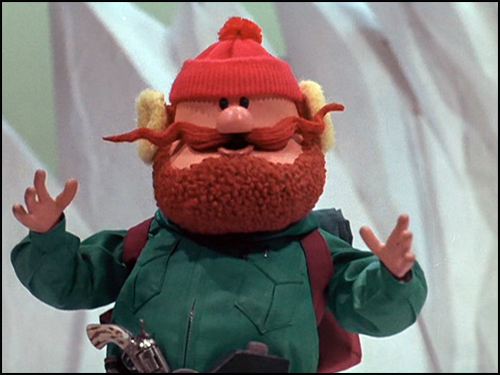
Last week Veneto shared their "Rockefeller" - a Manhattan with chai-spiced whiskey. Bar manager Simon Ogden has contributed another tasty winter drink, again employing the infused rye. This nog finds its name from the 1964 holiday stop-motion classic, "Rudolph: The Red-Nosed Reindeer." In the film, Rudolph meets the self-proclaimed "greatest prospector in the north," Yukon Cornelius, who eventually finds what he's spent his whole life seeking: the legendary peppermint mine. This drink is brimming with Christmas flavours, and is an excellent reason to make a chestnut syrup, which makes for some festive baking as well as cocktails.

The Yukon Cornelius
2 oz Chai spice-infused rye whiskey
1/2oz chestnut-infused syrup
A whisper of Menthe Pastille mint liqueur
1 whole egg

Dry shake all ingredients together, then shake briskly with ice and strain. 
Finish with a little fresh-grated nutmeg and cinnamon bark.


Thursday, 13 December 2012

Winter Cocktails: "The Rockefeller" from Veneto in Victoria

Today Katie McDonald from Veneto Tapa Lounge in Victoria gives us her Christmas Manhattan. It's named in honour of the plaza dead-centre of the city where the lighting of New York's giant Christmas tree is an annual tradition: The Rockefeller.

She infuses a Canadian whisky with a Chai tea, which employs the usual Christmas suspects: cinnamon, clove, nutmeg, allspice, and cardamom.

The Rockefeller
2oz Chai spice-infused Alberta Premium Rye Whisky
1oz Cinzano Rosso
2 dashes Aromatic Bitters

Gently stir all ingredients together and strain into a chilled coupe, 
garnish with a brandied cherry and some torched orange oil.

Bar manager Simon Ogden explains the Chai: "We infuse ours with Silk Road Chai, made by a Victoria-based tea company, but it's fun to make your own as well from winter spices. It doesn't take much to infuse, maybe an hour, and it can definitely overpower the whiskey if you're not careful."
Searching online for homemade Chai brings an array of recipes and is fun to do during this season anyway, so give it a try!


Click below to see other drinks from Veneto:

Monday, 27 August 2012

Aperol & St. Germain

Since hitting the North American market in 2006 and 2007 respectively, Aperol and St-Germain liqueurs have become staples on many a cocktail menu. It's no secret that the latter is ridiculously tasty and is considered by some to be almost cheating because of its ability to make just about anything delicious. Made from elderflowers gathered in France by hand during only a handful of weeks, and transported by bicycle before being gently macerated, the liqueur is not overly sweet for a liqueur. It offers aromas of flowers, peach, pear, grapefruit, and lychee, and flavours just as wonderful. Perhaps the reason bartenders get so excited about it, however, is its acidity, which balances extremely well in a cocktail and even in small doses can round out a drink without ever being overpowering. Aperol, the mildest of Italian amari, originated in 1919 with the intention of being a lighter version of Campari and as such offers lower alcohol content, a sweeter profile, and much less bitterness. It is also much less complex, and has strong rhubarb and orange flavours. It will be bitter for some, but most experienced drinkers will find it quite mild. Modern bartenders have furthered its reputation of being "Campari's younger brother" by swapping the liqueurs in classic drinks such as the Negroni and Boulevardier, or at least mixing the two so as to make these drinks more palatable to the uninitiated.
It is usually fair to assume that putting two awesome things together will create further awesome drinks, and in this particular case this logic yields amazing results. However, it doesn't seem to happen as often as one would expect. There are a ton of options, particularly with gin, and it is worth experimenting. With the hot weather finally arriving in the Pacific Northwest, here is a small collection of some summer afternoon refreshers to evening sippers employing the skills of both of these liqueurs and the magic they create together.

Apparent Sour
(Bobby Heugel, Anvil Bar & Refuge, Houston)
  • 1.5 oz Aperol
  • 0.75 oz St-Germain
  • 0.75 oz lime juice
Shake with ice and strain into a cocktail glass. Garnish with a sprig of rosemary.

These taste amazing and are perfect not only for summer, but also for anyone looking for something low-proof. A perfect and simple example of the great flavour you get from mixing the two liqueurs. Try switching the lime for lemon and throwing in a dash of your favourite bitters.

 
 Primrose
(Jay Jones, Shangri-La Hotel, Vancouver)
  • 1.5 oz London Dry Gin
  • 1 oz Aperol
  • 0.75 oz St-Germain
  • 0.5 oz lemon juice
  • 2 dashes peach bitters
Stir with ice and fine strain into a cocktail glass.
There are a lot of options in sour-territory.

This is a great starting point to play around with the bitters, citrus, or spirit choice. Tone down the Aperol and top with sparkling wine for a lighter drink even better suited for hot weather.


Rye Invention
(Kathy Casey, Small Screen Network)
  • 1.5 oz Straight Rye Whiskey
  • 0.75 oz St-Germain
  • 0.75 oz Aperol
Stir with ice, strain into a cocktail glass, garnish with a flamed orange peel and a cherry.

This one is surprisingly light in flavour and mouth-feel for a whiskey-based cocktail and the rye brings some much welcomed spice to the mix. Using a different spirit with a dry profile might work well here too (such as a slightly high-proof rum, an unaged Tequila, or be very adventurous and use aquavit or a Scotch).

Welcome To The Dark Side
(Colin Turner, Cin Cin, Vancouver)
  • 1.5 oz Bourbon
  • 1 oz Amaro Averna
  • 0.25 oz St-Germain
  • 0.25 oz Aperol
  • Orange Peel
Lightly muddle the orange peel in the mixing glass, then add ingredients with ice and stir. Strain into a cocktail glass and garnish with a fresh orange peel, squeezing the oils over the top of the glass.

A much darker, heavier drink than the rest so far. The liqueurs offer a lot of complexity and bitterness, but the sugar from each balance everything very nicely. Despite having a whiskey base and using a full ounce of Averna, the flavour offers a lot of fruit along with chocolate and vanilla. Using a dry bourbon is your best bet here to really round things out (Colin prefers Maker's 46).

Article by Rhett Williams; originally published on www.shakestir.com

[[ Photography:
Wall Street Journal (Apparent Sour)
Taste Magazine (Primrose)
Small Screen Network (Rye Invention)
Rhett Williams (Welcome to the Dark Side) ]]

Thursday, 12 April 2012

Amaro April: "The Imperial Eagle" From Bourbon & Branch

Last month we saw a creative cocktail from Jayson Wilde, the general manager at Bourbon & Branch, in which he infused Maraschino liqueur with Meyer lemons, as well as using blood orange syrup, cinnamon, and a black pepper tincture. This month, Jayson is simplifying things a bit, but still uses spice and fruit to play with both the base spirit - this time bourbon - and the modifier, amaro Averna. There are again a lot of elements here - the basic idea is a bourbon sour in which he's using ginger syrup and Averna to sweeten instead of just sugar. He's also using a traditional silver or Ramos Fizz framework, with the sour, spirit, sugar, egg, and bubbles combination, this time using ginger beer instead of just plain soda. Add the two elements together, with a little extra aroma and presentation using peach bitters, and you have a tasty and complex drink.

You can check out Jayson's "Blood Lust" cocktail along with a small review of Bourbon & Branch on this Maraschino March post.

A note on ingredients...
You can get the Eagle Rare 10 Year at the BC Liquor Stores, and it will run you $60. It's $30 or so in the states, and it's an excellent choice for the money. It's made by the Buffalo Trace distillery, so their regular BT bourbon would be a suitable substitution if you have to; I would not use too sweet or soft of a bourbon here (like Maker's Mark). As for the ginger beer, be sure to get a beer and not a ginger ale, which is much sweeter and less ginger-y. Bundaberg is Australian and I've never seen it here, but many markets, liquor stores, Whole Foods, and Gourmet Warehouse all sell good substitutes. Fee's peach bitters can be picked up at Gourmet Warehouse for $8.

The Imperial Eagle

2 oz. Eagle Rare 10 Year Single Barrel Bourbon
1 oz. Lemon Juice
0.5 oz. Ginger Syrup
0.5 oz. Averna
0.5 oz. Egg White
0.75oz Bundaberg Ginger Beer 
1 dash of Fee's Peach Bitters

Shake ingredients with ice, strain into a Collins glass.
Add the ginger beer over top as a float, then add an extra dash of the peach bitters on top of the foam.

[[ See my post on amaro digestivos here ]]
[[ See my post on amaro aperivos here ]]
[[ See a buying guide for amaro here ]]

[[ See "The One Hit Wonder" from L'abattoir in Vancouver here ]]
[[ See "The Penny Farthing" from Pourhouse here ]]
[[ See an introduction to amaro  here ]]
[[ See "Sevilla" from Beretta here ]]
[[ See "Fallow Grave" from the Toronto Temperance Society here ]]
[[ See "The Black Prince" from Phil Ward here ]]
[[ See "Bad Apple" and "Jackson Ward" from Amor y Amargo here ]]
[[ See "The Four Horsemen" from Jay Jones at Shangri-La here ]]
[[ See Colin MacDougall from Blue Water Cafe here ]]
[[ See "Debbie Don't" from Dutch Kills here ]]
[[ See "Welcome to the Dark Side" from Cin Cin here ]]
[[ See "Foolish Games" from Russell Davis here ]]
[[ See "Intro To Aperol" from Audrey Saunders at Pegu Club here ]] 

Friday, 2 March 2012

A Beginner's Guide To Bourbon Part 2: Buying Bourbon In B.C.

In Part 1 we discussed what makes bourbon bourbon, and now we're going to look at the major brands and bottlings you can typically find. I will mostly just discuss the ones widely available to us here in Canada at the government liquor stores. I have never tasted a "bad" bourbon, but going from Jim Beam White Label to Woodford Reserve is a definite jump in quality, as you will see. The good news is that the jump is much smaller than comparing a cheap brandy to a nice Cognac, or Bacardi white rum to Mount Gay Extra Old aged rum, etc. The below blurbs about each kind are my opinion, but I've taken into account the general consensus via other reviewing websites as well as spirit competitions. If I've never tasted a certain kind, I've just listed the tasting notes from competition judges and/or the average review online.


First, let's take a moment to discuss the general taste of bourbon for those of you who know nothing about it. Higher amounts of corn will bring a little more sweetness, opposed to rye which is drier and spicier, or malted barley which tastes, well... malty. Aging in the charred oak barrels smooths the alcoholic burn out a bit, add subtle smoke flavours, and you will typically also get some caramel, toffee, and vanilla notes. Depending on the rest of the mash and other specifics, you can also end up with flavours like citrus, berries, tobacco, leather, molasses, cinnamon, and tons of others. Bourbon is by far the easiest whiskey to drink, and as I've often said, a great place to start if you don't have a good palate for alcohol yet.

Alright, now onto the choices...

$40 Or Less

Jim Beam White Label - $25.50 - The cheapest bourbon you'll find, but it's actually not bad. It mixes well in cocktails that aren't spirit-forward, it's not super harsh, and a great place to start if you don't want to spend much. 
Jim Beam Red Stag - $27.50 - This is a Jim Beam bourbon flavoured with black cherry. It tastes more like a liqueur and isn't worth your time (if you want to mix cherry and bourbon, just add fresh cherries to your bourbon). It doesn't belong on this list, I just wanted to make sure you know what it is.
Wild Turkey - $29 - This is a very rough bourbon with more rye character than Jim Beam, and as such it packs more of a punch in mixed drinks. It's pretty harsh to sip, but works great with juice. I usually choose it over Jim Beam White Label for a cheap option unless I want to sip something or make more subtle cocktails.
Bulleit Frontier Bourbon - $35 - spicier, drier bourbon that's still smooth and mixes really well in cocktails. Very high rye content as well. I don't LOVE it, but it seems to be a typical bourbon of choice for some really knowledgeable bartenders, and that's a good sign.
Maker's Mark - $35-40 - One of the classics, for sure. To me, it's so sweet and smooth that it basically tastes like candy. This can be a good thing or a bad thing, depending on what you want to do with it. It's almost too smooth for my taste, but is a great sipper, and a perfect place to start if you want to get into bourbon.
Buffalo Trace - $40 - excellent, multi-use bourbon from the oldest distillery in the U.S. Higher rye content gives a little more spice and character. Probably the best bourbon for your money.

Over $40

Knob Creek 9 Year Old Small Batch - $49 - this is sort of like a higher-end Maker's Mark in some ways in that it's quite sweet and very smooth, but mixing a lot of cocktails may call for a more ballsy profile. It is definitely delicious, though, and makes an awesome Old-Fashioned. It's made by the Jim Beam distillery.
Woodford Reserve - $49 - This is probably my favourite bourbon for sipping. It's complex and interesting, but also very smooth and soft in your mouth. If you drink a fair bit already and want something nice, I would point you here or to Buffalo Trace, as they're both not as smooth and sweet as Marker's Mark or Knob Creek, but in my opinion are more exciting.
Basil Hayden's - $50 - another small batch bourbon from the Jim Beam distillery, this one is another high-rye content bourbon with pepper and citrus notes that you don't get in most others.
Maker's Mark 46 - $55 - the higher-end Maker's Mark has a heavier taste with more caramel, spice, and wood flavours. Its finish is longer and makes for a better sipper, but will also mix well in cocktails.
Booker's - $56 - a very heavy, rounded bourbon that packs a huge punch (127 proof). It's another Jim Beam small batch bourbon, and has more wood and smoke character than others. It makes a fantastic Manhattan that will knock you on your ass.
Knob Creek Single Barrel - $59 - the high-end offering from Knob Creek, which is a high-end offering from Jim Beam, and lives up to this hierarchy. Reviews are consistently good to outstanding, with more spice notes showing up, and surprisingly smooth for its 120 proof bottling.
Eagle Rare - $60 - a high-end offering from the Buffalo Trace distillery has more spice, nut, and fruit notes, but still hits pretty hard. Reviewed often as the best value you will find, but that's by American price standards where it's about $30. Welcome to our lives in B.C.
Ridgemont Reserve 1792 Barrel Select - $75 - reviews are good for the most part, but not as consistent as say Eagle Rare or Knob Creek Single Barrel, which makes me nervous for how much more it costs. Tobacco, fruit, and even tea have shown up on tasting notes.
Pappy Van Winkle's 20 Year - $175 - This is very well-reviewed, but I'm not sure anything is worth that price-point. Long-aged whiskeys will typically show more wood-character and complexity, and this one was reviewed by Wine Enthusiast as "huge and almost chewable, and the palate is tremendously buttery with some sherry notes, a dash of dried fruits, and some rich, creamy vanilla." Also reviewed as a very dry bourbon (meaning less sweet).

That's a lot of information, but take from it that even $25 will get you a bottle suitable for mixing, and $35-40 will get you a great bourbon suitable for anything. If you're just trying to get into bourbon, I'd suggest (in order of price, not quality) Jim Beam, Maker's Mark, and Knob Creek. If you already like whiskey and want something new, my personal favourites are Buffalo Trace and Woodford Reserve, but as you can see above, there are a lot of good options. Four Roses is an awesome bourbon too, but you'll have to get it in the U.S. or buy it over-priced at Legacy. And as always, if you make it down to the states, do your buying there, because most whiskey costs about 40% less. Such is our lives in Canada. 

I encourage you to make comments below and agree/disagree, or better yet - name your favourite bourbon. Also name some bourbons you like that aren't on the above list!